

Birding is frequently cited as a gateway to caring about conservation. Birds are charismatic and colorful creatures. Birding is also a relatively more accessible outdoor activity—birds are everywhere, and you can do a lot of great birding even without binoculars!
Here in Paonia, we are exceptionally fortunate to be right next to some fantastic bird habitat—Paonia River Park. Diverse nesting and feeding niches attract a variety of birds, some of which live at the River Park their whole lives, while others are making a pit stop on their migration route.
This May, a group of bird enthusiasts gathered for a Mike’s Hike in the River Park with the goal of observing and identifying as many birds as they could. Led by our local bird nerd Bob Sapena, they identified 35 different species! Here are a few of the ones they saw, and ones you may see on your next River Park visit…
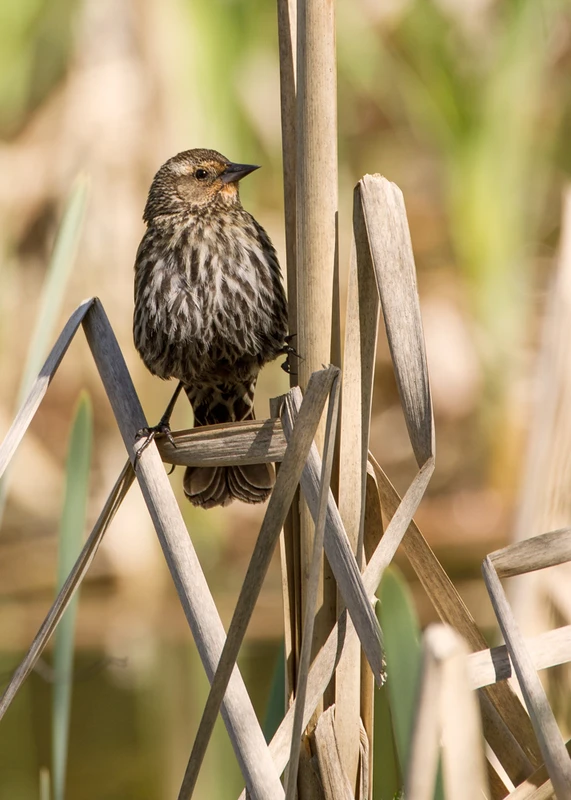
Red-winged Blackbird (Agelaius phoeniceus)
Male Red-winged Blackbirds are easy to identify due to their distinct coloration, song, and showy behavior. Red-winged Blackbirds breed in wetlands—you may have seen them along ditches as well as in the River Park. They remain in the River Park all year. The males will perch on a tall stalk to attract a mate and defend their territory. They are very vocal about their disapproval of your intrusion on their territory.
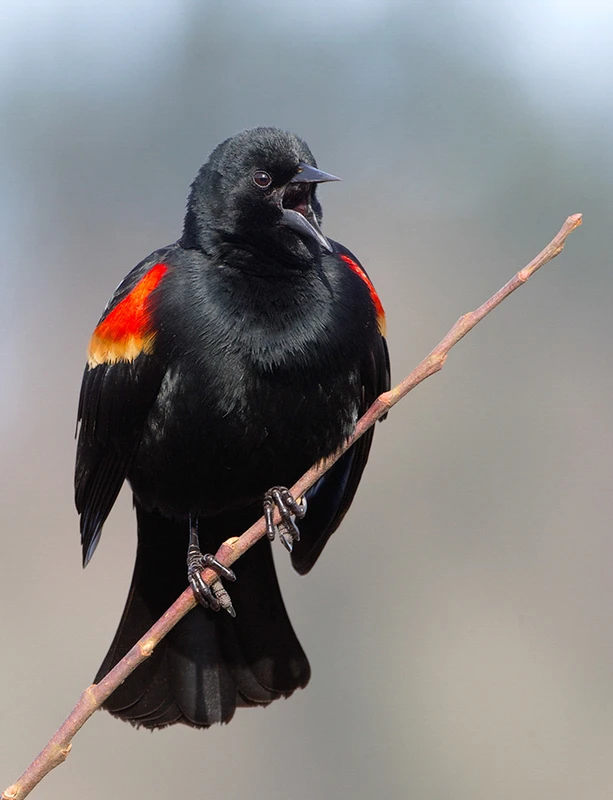
Adult male. Tim Kun/Audubon Photography Awards.
Adult female. Robert Macnevin/Audubon Photography Awards
Western Tanager (Piranga ludoviciana)
Male Western Tanagers Migrates are bright yellow and black with a bright red head, while females are yellow and brown.They migrate to the high mountains in the summer to breed and feed in forests, but they can also be found in the River Park and in town. They regularly visit flowers to feed on insects and nectar. Males can be seen chasing females among the trees in early stages of courtship.
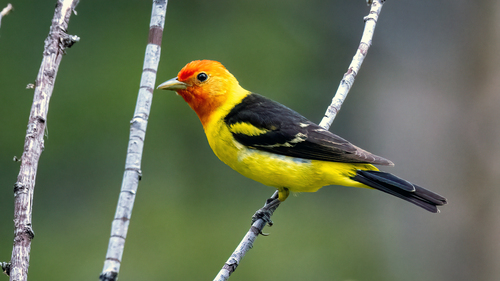
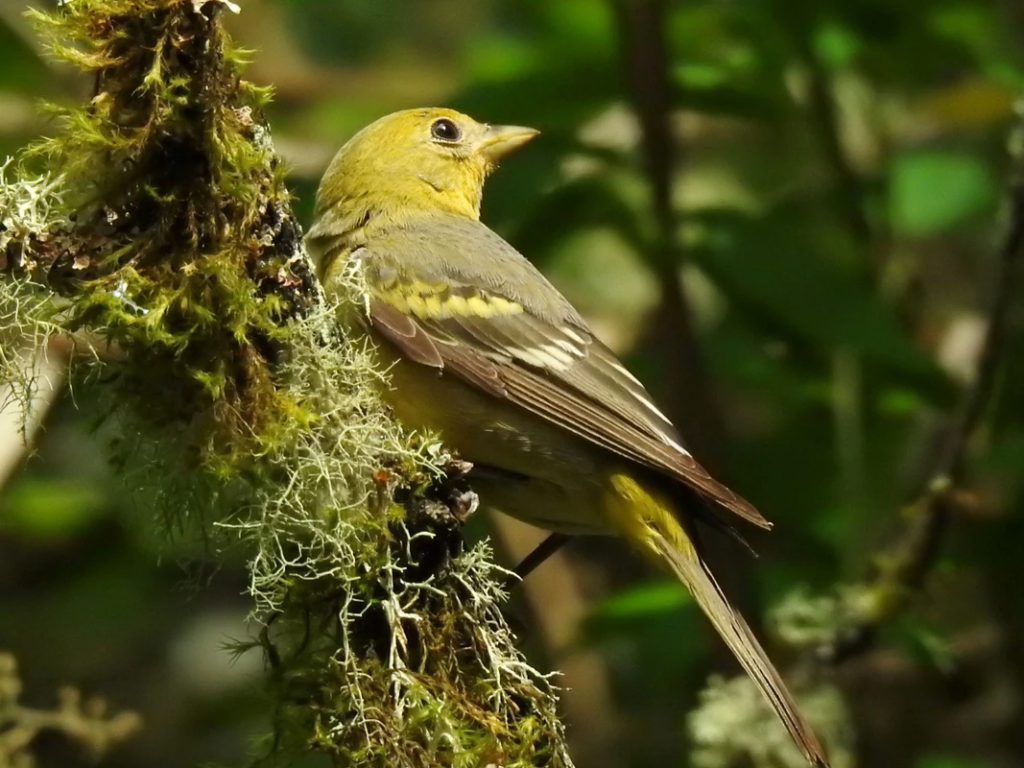
Adult male. Jim Gain/iNaturalist (CC BY-NC)
Adult female. Mark Ahlness/Flickr (CC BY NC ND 2.0)
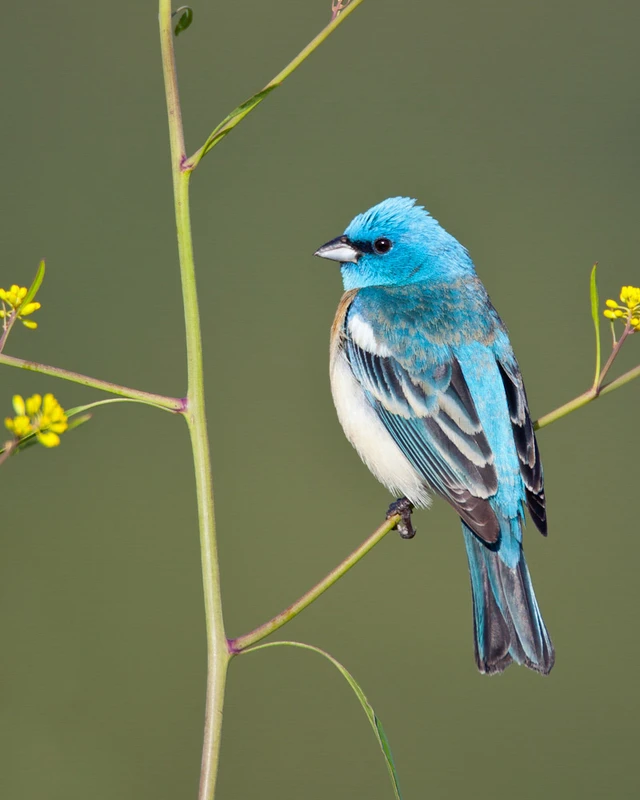
Lazuli Bunting (Passerina amoena)
Lazuli Buntings migrate to the River Park for summer breeding. Males are a vibrant blue while females are brown. They live in the streamside shrubs and trees with adjacent grassy areas, feasting on insects and grass seeds.
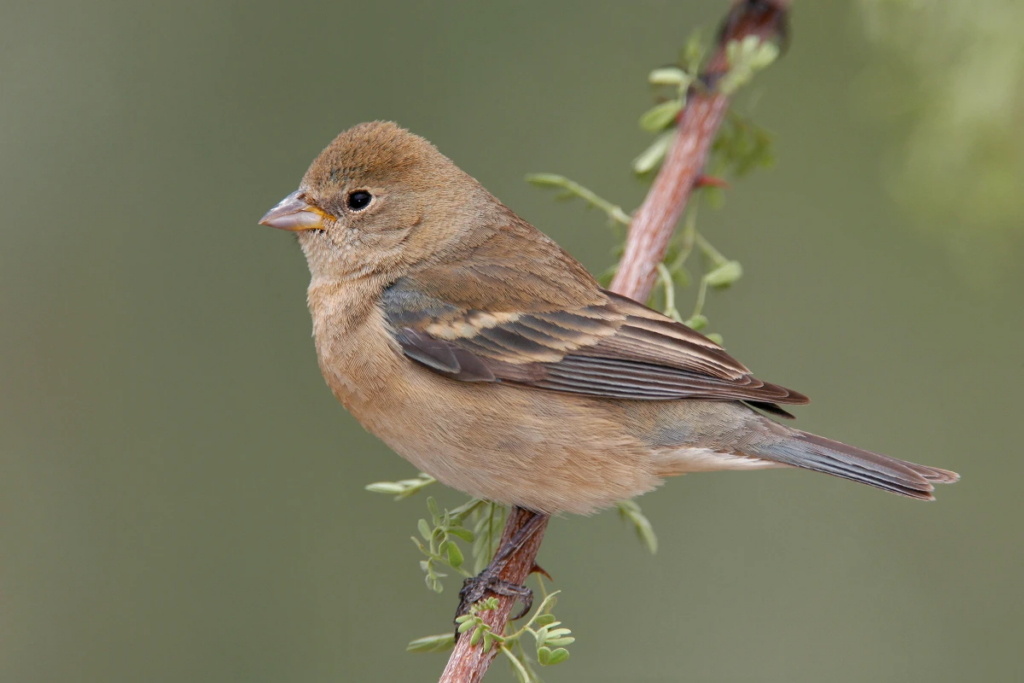
Adult male. Peter Knoot/Audubon Photography Awards
Adult female. Brian E. Small/Alamy
Belted Kingfisher (Megaceryle alcyon)
This year-round resident plunges into the river to hunt for fish, crayfish, frogs, and aquatic insects. They nest in the river banks by digging a 2.5 to 6 foot long horizontal tunnel. Males present a fish to females as a courtship display.
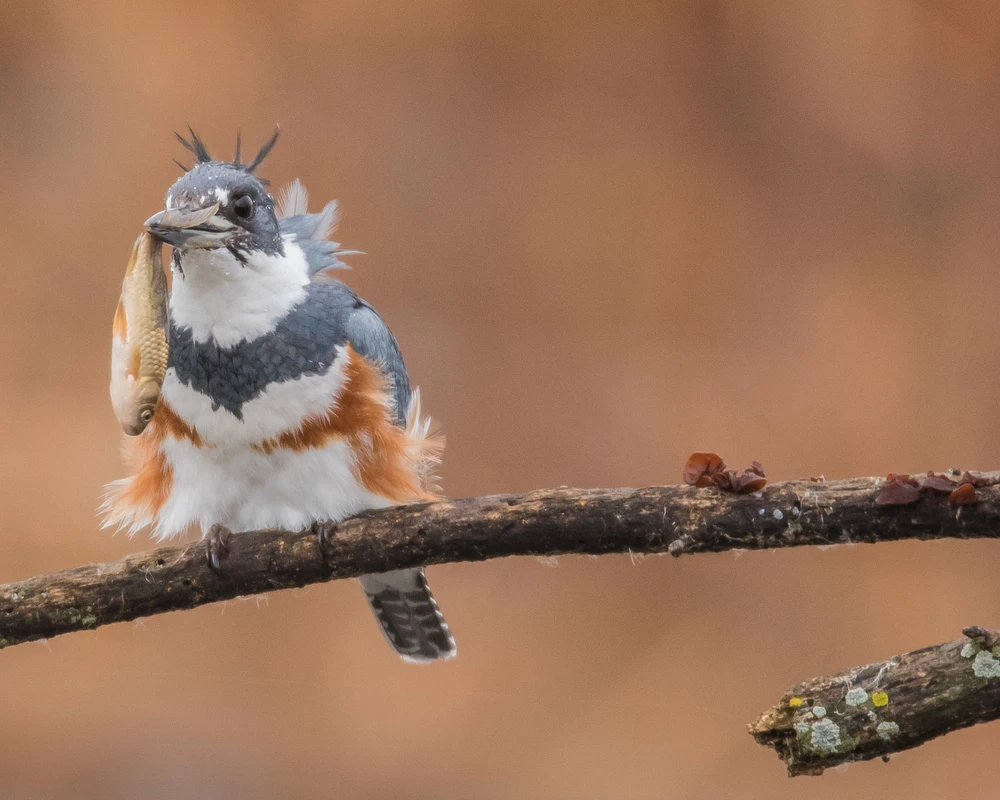
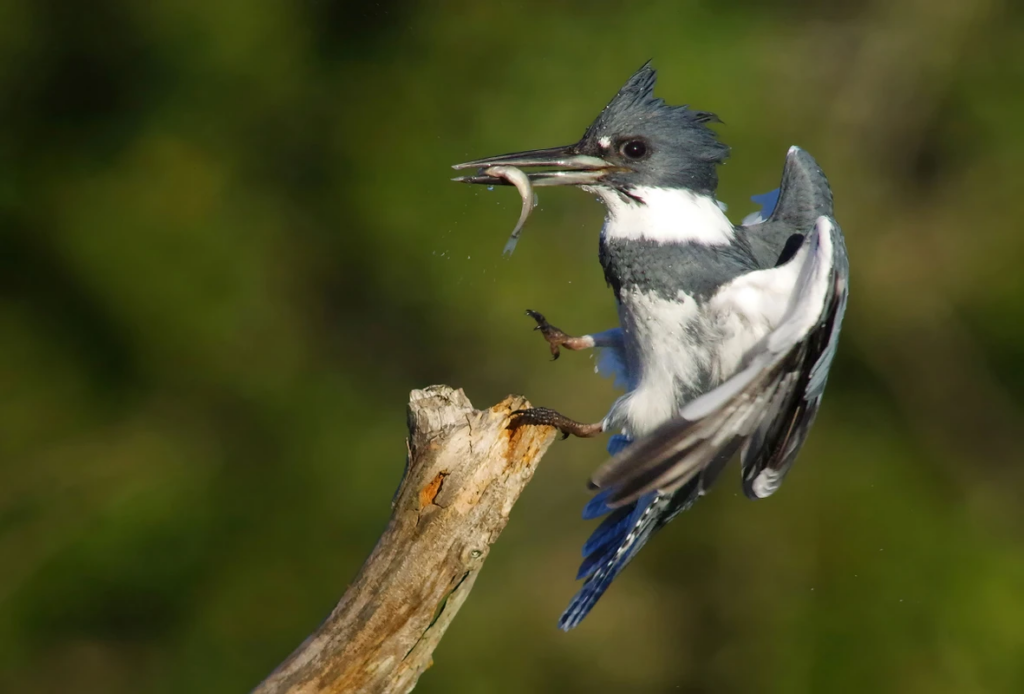
Adult female. Michael Harvey/Audubon Photography Awards
Adult male. Evelyn Garcia/Audubon Photography Awards
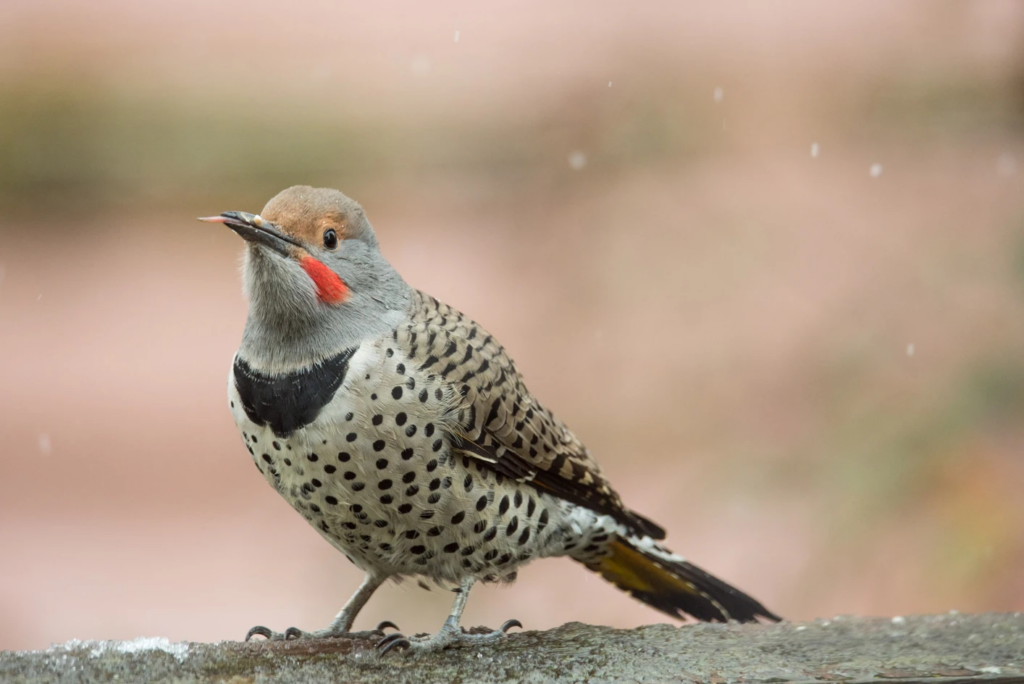
Northern Flicker (Colaptes auratus)
Here in the West, we have Red-shafted Northern Flickers. These woodpeckers have spotted bellies and orange coloring on the undersides of their wings and tails. Red-shafted Flickers often migrate from mountains into lowlands as the months get colder, but you are still likely to be able to see these birds all year. Flickers live in open forests where they can hunt for insects on tree trunks and the ground.
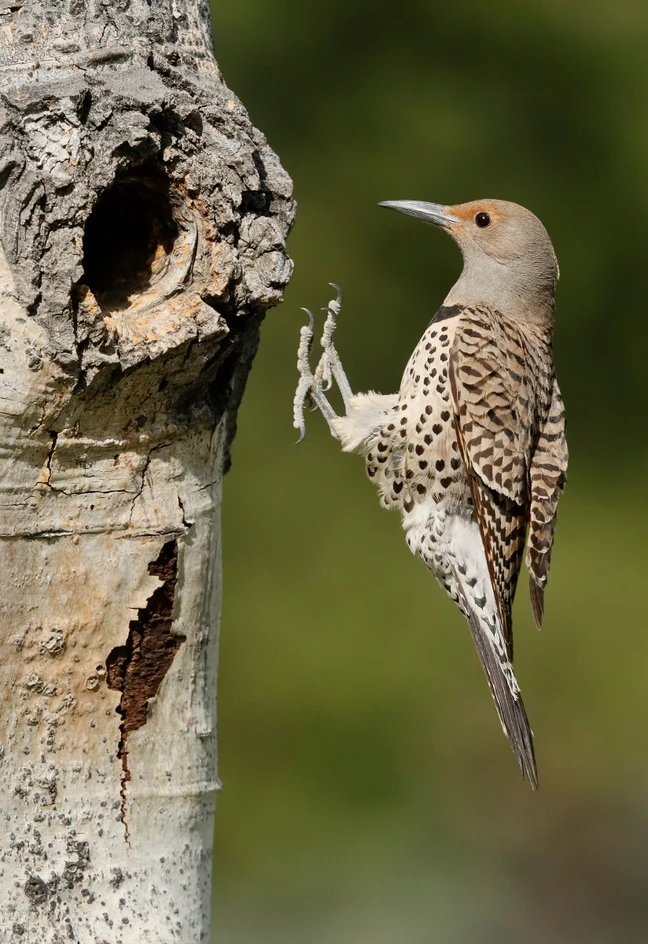
Adult female. Loi Nguyen/Audubon Photography Awards
Adult male. Beth Shepherd/Audubon Photography Awards
Conserved and restored lands are essential for birds and birders! Lands rich in a variety of native plants provide nutritious seeds, berries, and insects that fuel successful migration and reproduction, as well as numerous unique nesting habitats. Degraded landscapes overrun by invasive species lack diverse habitat and create ecological traps for migrating birds. Invasive shrubs may appear attractive to birds, but their berries lack sufficient nutrition to fuel extended flight and birds do not survive long enough to reach their destination.
The Western Slope Conservation Center is working with ranches in the North Fork Valley to restore and improve <> acres of habitat that will support year-round and migratory bird species. These restoration projects don’t just benefit birds, they also support improved water quality, increased wildfire resistance, and other endangered wildlife.
Birds are a gateway to caring about conservation, and the gateway to birds is access to rich habitats like we have at the Paonia River Park. So this spring, open up your heart to the magic of birds
“Many people have forgotten about the magic that exists in our natural world but birds try very hard to jog our memory” – Bob Sapena
Want to help increase access to the magical world of birds? Join us for trail stewardship days with the Forest Service and Bureau of Land Management! Sign up and learn more here.
Join us for upcoming Mike’s Hikes by signing up here!
Jazzed about birds? Check out the Audubon Society’s birding hub for birding tips to keep in mind for your next River Park visit. Para español: Sociedad Nacional Audubon.