

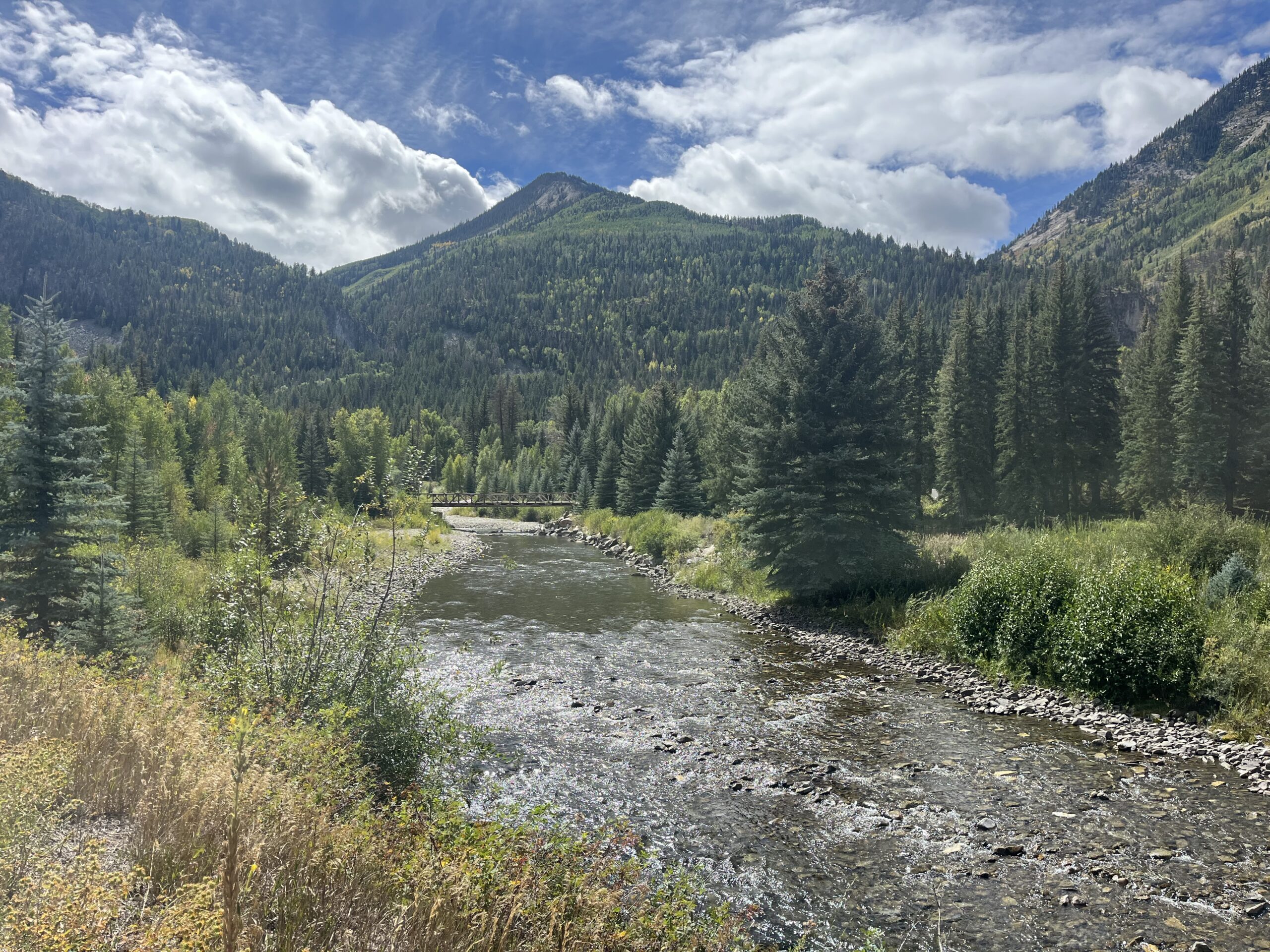
The Roadless Area Conservation Rule protects nearly 45 million acres of national forests, or one-third of our national forest system, in 36 states from road-building and industrial development such as logging.
Adopted in 2001, the Roadless Rule, as it is commonly known, is the result of years of work and public input, largely with the backing of the American public. The initial public comment period set a record with 1.6 million public comments submitted, with more than 90% in favor of the rule. More recently with the announcement of the Rule’s rollback, a three-week public comment period occurred in September 2025. Nearly 625,000 comments were submitted, individually or on petitions—analysts found 99% of the comments opposed the Rule’s rescission.
Roadless areas are generally remote, undeveloped national forest landscapes that total at least 5,000 acres in size. Roadless areas protect clean drinking water sources for 60 million Americans, unfragmented wildlife habitat for key species, and recreation experiences on tens of thousands of hiking, mountain biking, paddling, and climbing routes, trails, and courses. These wild, intact landscapes attract recreationalists from near and far, providing an economic boost to our rural communities.
Careful consideration was given in the development of the Roadless Rule to wildfire mitigation, managing risks affecting our municipal water supply, and ecosystem composition, structure, and processes. Flexibility was built into the rule for each of these factors. As allowed by land management plans, tree-cutting and road-building are permitted for hazardous fuels reduction, ecosystem restoration, wildlife habitat improvement projects, and fire suppression strategies to protect public health and safety in the case of imminent threat of flood, fire, and other catastrophic event.
It is important to note when discussing wildfire that science shows fires are four times more likely to start near a road than in roadless forests, and nine out of ten fires are caused by people. Where there are roads, there are ignition sources.
Already there are more than 370,000 miles of U.S. Forest Service roads, a network roughly eight times the length of the U.S. interstate highway system. According to the U.S. Forest Service, “limited resources, aging infrastructure and increase in public use have led to the delay of a portion of the regularly scheduled maintenance. The current estimate of the agency-wide maintenance backlog, or “deferred maintenance”, was over $8.6 billion in FY2023.” More roads are not the answer, but rather would become the economic burden of the American taxpayer.
It should be noted that the CO Roadless Rule, enacted in 2012 and different from the national Roadless Rule, protects an additional 4.2 million acres in the state of Colorado and provides the same benefits, protections, and built-in flexibility of the national rule. While it is not currently under threat, it could be next on the chopping block.
It is more important than ever to stand in defense of the Roadless Rule. Rescission of the rule is not the answer to better wildfire mitigation, ecosystem resiliency, or forest health. Rather, it is the roadless rule that provides a framework to protect the ecological integrity of our forests through targeted management practices, to safeguard our drinking and agricultural water resources, to conserve large swaths of connected wildlife habitat, and to provide abundant recreation experiences for the benefit of locals and visitors alike. As Aldo Leopold wrote, “Our remaining unroaded wildlands are a national treasure, a ‘wealth to the human spirit’.”
Make your voice heard by commenting in support of the Roadless Rule by Tuesday, October 6.